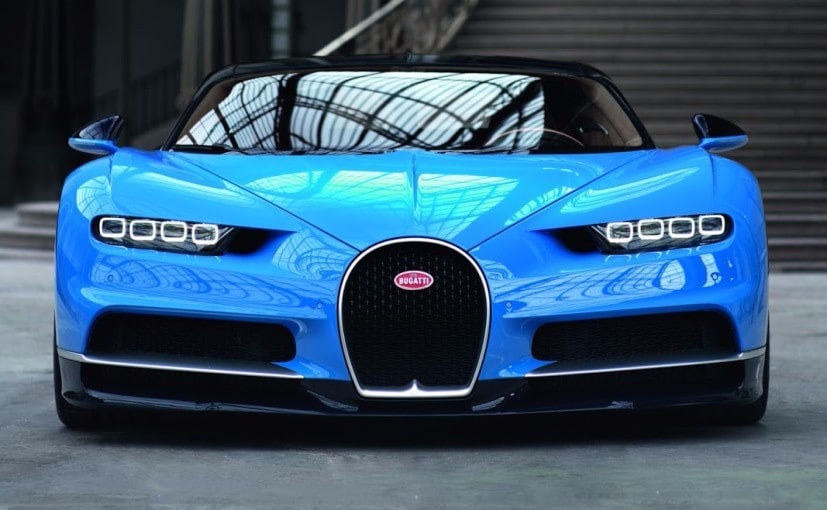
 With the Bugatti Veyron's top-speed records, a sticker price over $1 million, and particular softened scoop-of-frozen yogurt styling, it was a moment moving superlative when it appeared in 2005. Its successor, the new Chiron, is considerably to a greater extent a record-and feature getting show horse. Is it speedier? A 310-mph (500 km/h) speedometer and Bugatti's case that it'll do 261 mph say it is.
Don't worry about it that there are few spots on the planet where anybody could accomplish 261 mph, and even less proprietors who will ever endeavor the deed, what could hypercars, for example, the Ferrari LaFerrari, Porsche 918 Spyder, or McLaren P1 offer in answer? That their top velocities are lower, they're less agreeable, or, basically, that they're—swallow—less expensive? The Chiron's diversion is to be so unattainable, so unbelievable, so supernatural as to restore Bugatti as a definitive car accessories for the individuals who measure their money saves not by face esteem but rather with a yardstick.Bugatti says the 4400-pound Chiron is "the world's first generation sports auto with 1500 hp." It's best to just hold any desires of humility on Bugatti's part. All things considered, when the auto you're supplanting delivered 1200 drive, hit 258 mph, and cost more than $2 million, including an additional 300 torque, 3 mph of administered top pace, and a large portion of a million to the window sticker matters. Gracious, and only 500 will be made, in light of the fact that no one needs a mass-delivered $2.6-million auto.
Between Bugatti's braggadocio and posing, there are genuine upgrades to the Veyron's recipe. Does it make a difference that, if each strand of carbon fiber in its new focal tub were laid end to end, they'd "stretch nine times the separation between the earth and the moon"? No, and we feel sorry for the Bugatti representative accused of checking the math on that tidbit. In any case, it is demonstrative of a genuine push to lessen—or possibly hold the line on—the Chiron's weight in respect to that of the to some degree thick Veyron. The majority of that carbon fiber—the body boards likewise are made of the stuff—keeps the Chiron right around the same weight as the 4486-pound Veyron, in spite of being 3.2 creeps longer, 1.6 inches more extensive, and 0.3 inch taller. Bugatti further claims that the Chiron's structure is as firm as those supporting LMP1 dashing models.
At the danger of sounding bewildered, the styling of the Chiron is eminently more getting than that of the Veyron. The C-formed bend cut into every side of the body reviews Bugatti's 1930s-time workmanship deco perfect works of art, the Type 57 Atlantic and Atalante, as does the lance running down the auto's spine. The all-cross section tail seems to have a place with an alternate auto, however the surfaces bowing and streaming past it are almost delightful. In advance, Bugatti's horseshoe-molded grille remains—stamped with an identification rendered from five ounces of silver—and is flanked by quad-LED headlights. Moving streamlined components territory from a powerfully worked diffuser, front splitters, and a four-position back spoiler/wing that can sit flush with the back bodywork, expand somewhat (the setting for top-speed runs), completely augment, or completely amplify and tilt in its compressed air brake setting. The underbody is absolutely smooth put something aside for NACA conduits that swallow air for cooling the motor, the transaxle, and the back brakes.
Post a Comment